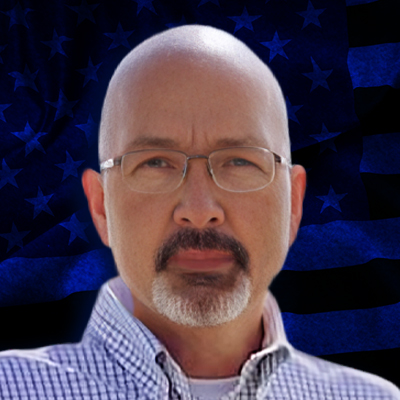
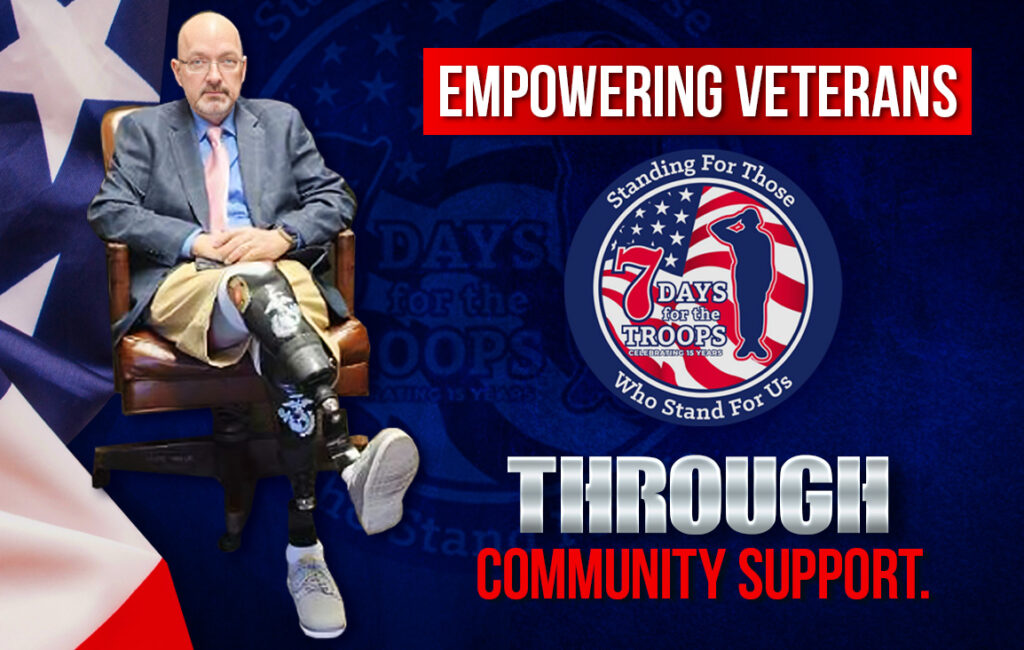
Hello. I am Scott Burns, the Founder and CEO of 7 Days For The Troops, a Disabled Veteran-Owned Non-Profit Organization. As a proud veteran, I have dedicated my life to serving our country, fellow veterans, and active-duty military members.
7 Days For The Troops was born out of a deep-seated passion to give back to those who have given so much. Our mission is to support and uplift our military community by providing essential resources, support systems, and a sense of camaraderie that extends beyond active duty.
Having faced the challenges of being a disabled veteran, I understand the unique difficulties that come with transitioning back to civilian life. This personal experience drives my commitment to ensuring our heroes receive the support and recognition they deserve.
Through various fundraising events, outreach programs, and community initiatives, 7 Days For The Troops is making a significant impact in the lives of our servicemen and women. Our goal is to create a network of support that helps veterans navigate the complexities of life after service, offering them the tools and opportunities to thrive.
Veteran Support Resources
Veteran support resources encompass various services and programs designed to assist veterans in multiple aspects of their lives. These resources are crucial in ensuring that those who have served our country receive the support and recognition they deserve. Key support areas include healthcare, housing, employment, education, mental health, and financial assistance.
Healthcare
The Veterans Health Administration (VHA) provides comprehensive healthcare services to eligible veterans. These include primary care, specialty care, mental health services, and rehabilitation. Additionally, organizations like the Wounded Warrior Project offer supplementary health programs tailored to veterans’ unique needs.
Housing
Housing support is essential for veterans, particularly those facing homelessness. The Department of Veterans Affairs (VA) offers programs like the HUD-VASH (Housing and Urban Development-Veterans Affairs Supportive Housing) program, which provides housing vouchers and support services. Non-profit organizations such as Habitat for Humanity and the National Coalition for Homeless Veterans also play a significant role in providing housing solutions.
Employment
Employment support is critical for helping veterans transition to civilian life. The VA’s Vocational Rehabilitation and Employment (VR&E) program offers career counseling, training, and job placement services. Organizations like Hire Heroes USA and Veterans Employment and Training Service (VETS) provide additional resources and support for job-seeking veterans.
Education
Education benefits are a cornerstone of veteran support, with the Post-9/11 GI Bill providing funding for tuition, housing, and books. This benefit helps veterans pursue higher education and vocational training. Additionally, many colleges and universities have dedicated veterans’ offices to assist with the transition to academic life.
Mental Health
Mental health resources are vital in addressing issues such as PTSD, depression, and anxiety among veterans. The VA offers extensive mental health services, including counseling, therapy, and crisis intervention. Non-profits like Give an Hour and the Cohen Veterans Network provide free mental health services to veterans and their families.
Financial Assistance
Financial challenges can be a significant burden for veterans, especially those with disabilities. The VA offers various compensation and pension programs to provide financial support. Additionally, Operation Homefront and the American Legion provide emergency financial assistance to veterans and their families.